South Asia contains about a quarter of the world's population and any way you cut the demographics it is a large, growing and important market, with the new knowledge- based industries - such as software - up there amongst the world's best. And it is by no means a difficult market for us. Look at what we have going for us. English is the language of business; our laws and legal systems are substantially the same. Indeed the way we go about our daily work is very similar and you will find both women and men in senior positions in both industry and politics. We have a common heritage in much that we do and love - including cricket!
So how do you prepare for a first visit to this vast subcontinent? Well - and much of this is self-evident- the first thing to do is to satisfy yourself that there is a market for your product or service. South Asia is amongst the most price competitive markets in the world, so try to do some research on competitive local pricing before you go - or put it high on the list of things to do in your visit. There is help at hand in doing this pre-visit research including Trade Partners UK where a variety of subsidised services are available to help you- for instance market information reports which amongst other things assess the market for your product or service, review competition and profile potential agents, distributors, partners and so on together with names of professional advisers you might want to consult. Do some homework on the area too. Give some thought to your market entry strategy. Is it to find an agent or distributor? A joint venture partner or what?
Think carefully about your itinerary. Try to be sure you are meeting decision makers - not always as easy at it sounds. Check whether there are any national or local holidays during your trip and be sure to leave enough time between meetings to get from one to another. Crossing some of the big cities can take literally hours. Taxis are safe but can and do get lost! Better to ask for a hotel car.
What clothes to pack? For business meetings you won't go wrong with a suit in the winter months and a short sleeved shirt and tie in the very hot summer months. Speak to a local travel clinic and seek advice on the appropriate vaccinations. Get a visa. Take a few small gifts with you. Corporate "giveaways" for use at the end of business meetings and a few pieces of china, or the like, as gifts if you are invited in to your host's home.
Know your product or service inside out and those of your world-wide competitors' too. The local businessmen are well travelled and will almost certainly know your competitors - particularly their prices. Take plenty of company and product literature with you and a good supply of business cards.
In doing business you are likely to meet with any or all of the following management styles:
• The business house and which is something of a hang over from the past when family driven conglomerates thrived behind the wall of import protection and on cosy political friendships. They tend to be autocratic and, to us, seem disorganised.
• The subsidiary or associate of a MNC with local publicly quoted shareholdings which was a means of complying with the (then) rules limiting foreign ownership. They are professionally managed with a good understanding of marketing and strong local brands.
• The service companies which are typified by the young, successful, often US focused, software companies. World class in both their output and corporate governance and many say are the bow wave of India emerging as a superpower in the world's knowledge based industries.
• The public sector is still very much a dominant and often a monopoly force throughout South Asia. It tends to be inefficient; bureaucratic, over manned and heavily unionised.
What can you expect at your first meeting? Don't be surprised or put off by what you have seen on your way to the meeting nor the building or offices you have arrived at. Remember all is not always what it seems. Time keeping and time management are not always what we would want. And your meeting may suffer a number of interruptions. You will be greeted with hospitality and drink lots of tea before you leave. Be ready for an opening conversation on anything but business and let your host lead it towards business. Remember you are hopefully starting to build a relationship - which is important to the local businessman. At the end of the meeting sum up, check there is a common understanding and seek agreement to what you have discussed and decided. Then send written confirmation when you return to your home office. Local businessmen love "MOU's" - memorandum of understanding.
During your meeting seek to find out who is the real decision-maker. Don't be surprised if after a while you are invited to meet the head of the family. He or she may very well be the real decision-maker and the one who approves the deal. Don't be surprised too if he or she tries to shave prices further as part of the approval. Do not be disappointed if your first meeting fails to reach the decisions you had hoped for. Patience is a virtue and nowhere is this more true or necessary than in South Asia. The decision making process can take several meetings and involve several people. And often bureaucracy rears its head to delay and occasionally prevent decisions.
Age and "keeping face" are important factors to remember. Age demands respect and in many companies is part of the hierarchy. Forms of address vary widely from "Sir" or "Madam" through to first names from the very first meeting. Some of the older companies have a formal style and others, particularly the newer ones, are both informal in their style and dress codes. You just have to feel your way on this. The fear of losing face restricts some people from contributing to a discussion. Drawing out comment from people can sometimes be tough but it is worth working at. The good and much used words "No problem" usually means quite the opposite, and is a warning to probe politely!
Meetings, particularly the more serious ones may often conclude or extend into an invitation to a lunch or dinner and which as the relationship develops may well be to meet the family at home.
When you return to your home office document and send your understanding, decisions and next steps to the companies you have met. Remember that whilst they may have thought you were the proverbial answer to the maiden's prayers whilst you were with them, out of sight is also out of mind. So you will almost certainly have to chase the promised actions. Be patient and don't be surprised by surprises!
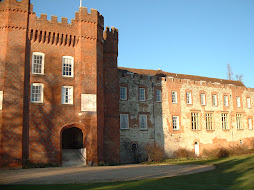
Farnham Castle/Julian Stretch
Julian Stretch OBE is a trade and investment adviser to a number of companies including the South Asia unit of the UK's Department of Trade & Industry. From 1995 to 1999 he was Director of International Operations for a British domestic appliance manufacturer. Prior to that he spent 25 years with Rank Xerox Ltd including managing the company's operations in South Asia, Eastern Europe, Russia and the Middle East. He established Rank Xerox in India where he set up a manufacturing and marketing joint venture. From 1988 to 1992 he was chairman of the then British Overseas Trade Board's area advisory group for South Asia. He was awarded the OBE for services to exports in 1992.
So how do you prepare for a first visit to this vast subcontinent? Well - and much of this is self-evident- the first thing to do is to satisfy yourself that there is a market for your product or service. South Asia is amongst the most price competitive markets in the world, so try to do some research on competitive local pricing before you go - or put it high on the list of things to do in your visit. There is help at hand in doing this pre-visit research including Trade Partners UK where a variety of subsidised services are available to help you- for instance market information reports which amongst other things assess the market for your product or service, review competition and profile potential agents, distributors, partners and so on together with names of professional advisers you might want to consult. Do some homework on the area too. Give some thought to your market entry strategy. Is it to find an agent or distributor? A joint venture partner or what?
Think carefully about your itinerary. Try to be sure you are meeting decision makers - not always as easy at it sounds. Check whether there are any national or local holidays during your trip and be sure to leave enough time between meetings to get from one to another. Crossing some of the big cities can take literally hours. Taxis are safe but can and do get lost! Better to ask for a hotel car.

What clothes to pack? For business meetings you won't go wrong with a suit in the winter months and a short sleeved shirt and tie in the very hot summer months. Speak to a local travel clinic and seek advice on the appropriate vaccinations. Get a visa. Take a few small gifts with you. Corporate "giveaways" for use at the end of business meetings and a few pieces of china, or the like, as gifts if you are invited in to your host's home.
Know your product or service inside out and those of your world-wide competitors' too. The local businessmen are well travelled and will almost certainly know your competitors - particularly their prices. Take plenty of company and product literature with you and a good supply of business cards.
In doing business you are likely to meet with any or all of the following management styles:
• The business house and which is something of a hang over from the past when family driven conglomerates thrived behind the wall of import protection and on cosy political friendships. They tend to be autocratic and, to us, seem disorganised.
• The subsidiary or associate of a MNC with local publicly quoted shareholdings which was a means of complying with the (then) rules limiting foreign ownership. They are professionally managed with a good understanding of marketing and strong local brands.
• The service companies which are typified by the young, successful, often US focused, software companies. World class in both their output and corporate governance and many say are the bow wave of India emerging as a superpower in the world's knowledge based industries.
• The public sector is still very much a dominant and often a monopoly force throughout South Asia. It tends to be inefficient; bureaucratic, over manned and heavily unionised.
What can you expect at your first meeting? Don't be surprised or put off by what you have seen on your way to the meeting nor the building or offices you have arrived at. Remember all is not always what it seems. Time keeping and time management are not always what we would want. And your meeting may suffer a number of interruptions. You will be greeted with hospitality and drink lots of tea before you leave. Be ready for an opening conversation on anything but business and let your host lead it towards business. Remember you are hopefully starting to build a relationship - which is important to the local businessman. At the end of the meeting sum up, check there is a common understanding and seek agreement to what you have discussed and decided. Then send written confirmation when you return to your home office. Local businessmen love "MOU's" - memorandum of understanding.
During your meeting seek to find out who is the real decision-maker. Don't be surprised if after a while you are invited to meet the head of the family. He or she may very well be the real decision-maker and the one who approves the deal. Don't be surprised too if he or she tries to shave prices further as part of the approval. Do not be disappointed if your first meeting fails to reach the decisions you had hoped for. Patience is a virtue and nowhere is this more true or necessary than in South Asia. The decision making process can take several meetings and involve several people. And often bureaucracy rears its head to delay and occasionally prevent decisions.
Age and "keeping face" are important factors to remember. Age demands respect and in many companies is part of the hierarchy. Forms of address vary widely from "Sir" or "Madam" through to first names from the very first meeting. Some of the older companies have a formal style and others, particularly the newer ones, are both informal in their style and dress codes. You just have to feel your way on this. The fear of losing face restricts some people from contributing to a discussion. Drawing out comment from people can sometimes be tough but it is worth working at. The good and much used words "No problem" usually means quite the opposite, and is a warning to probe politely!
Meetings, particularly the more serious ones may often conclude or extend into an invitation to a lunch or dinner and which as the relationship develops may well be to meet the family at home.
When you return to your home office document and send your understanding, decisions and next steps to the companies you have met. Remember that whilst they may have thought you were the proverbial answer to the maiden's prayers whilst you were with them, out of sight is also out of mind. So you will almost certainly have to chase the promised actions. Be patient and don't be surprised by surprises!
Farnham Castle/Julian Stretch
Julian Stretch OBE is a trade and investment adviser to a number of companies including the South Asia unit of the UK's Department of Trade & Industry. From 1995 to 1999 he was Director of International Operations for a British domestic appliance manufacturer. Prior to that he spent 25 years with Rank Xerox Ltd including managing the company's operations in South Asia, Eastern Europe, Russia and the Middle East. He established Rank Xerox in India where he set up a manufacturing and marketing joint venture. From 1988 to 1992 he was chairman of the then British Overseas Trade Board's area advisory group for South Asia. He was awarded the OBE for services to exports in 1992.